How the Future You Imagine Shapes Your Reality
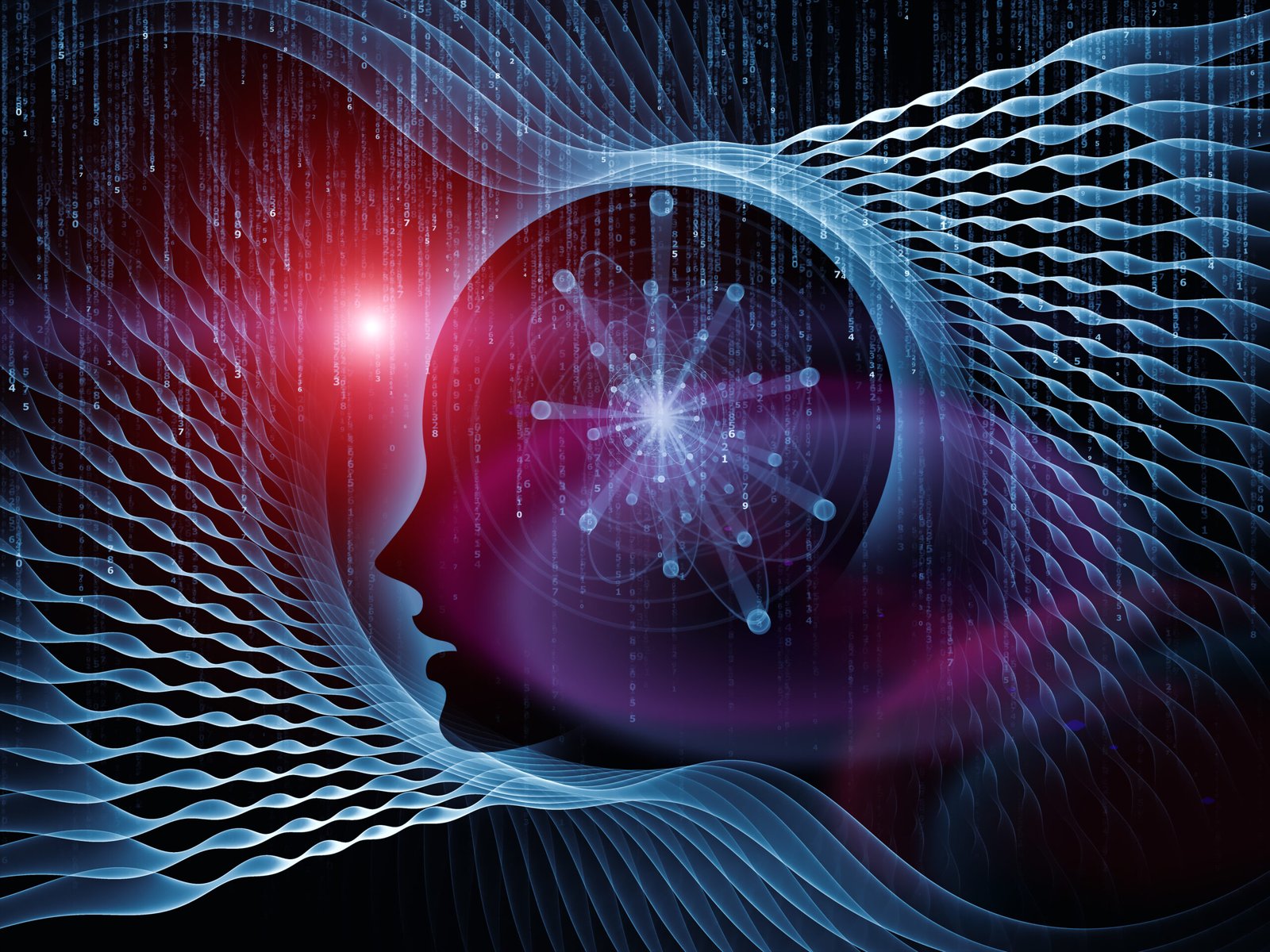
The brain doesn’t live in the present.
It lives in the world you repeatedly show it.
Most people don’t realise their minds are constantly rehearsing the same future their past has
taught them to expect.
Neuroscience shows that up to 50% of your waking life is spent in the Default Mode Network — a
mental loop replaying old fears, old patterns, and old versions of you.
Stress strengthens these loops. Trauma deepens them. Chronic illness wires them in even further.
MRI studies reveal that the brain fires the same neural circuits when imagining an action as when
performing it.
To your nervous system, imagination isn’t passive.
It’s rehearsal.
Your biology doesn’t wait for reality — it responds to the picture you return to most often.
Why visualisation is a form of biological rehearsal
The brain treats imagined experience as preparation.
This is why stroke patients regain strength by visualising movement. It’s why athletes improve
performance without physical training — because mental rehearsal activates the same neural
pathways as action.
This is Hebbian learning: neurons that fire together, wire together.
It’s also anticipatory dopamine — the brain releasing motivation before change has even happened.
And it’s mirror neuron activation, where your body begins to experience the emotional state of the
version of you you’re picturing.
Visualisation is not imagination.
It is rehearsal — a biological training ground for the future you are capable of stepping into.
When the mind is wired for survival
There was a time when I couldn’t picture anything beyond survival.
My mind replayed the same images — the same exhaustion, the same fear, the same version of me
barely holding myself together.
I didn’t realise my brain was building a future that looked like the struggle it already knew. Not
because it was true, but because familiarity felt like safety.
No one had ever told me that imagining even ten seconds of a different life could begin loosening
those patterns.
I never heard these words:
“You’re allowed to picture a version of yourself who isn’t drowning.”
Giving your brain a new future to follow
The brain shifts out of threat detection when it senses a future that feels safe. Dopamine begins to
rise. The prefrontal cortex activates. The nervous system softens.
Something changed when I finally tried.
When you picture the strongest, most grounded version of yourself, your biology responds. When
you imagine healing, your nervous system begins organising itself as if healing is already underway.
When you visualise ease, your breath deepens, your muscles soften, and your internal state begins
to shift.
You are not deluding yourself.
You are instructing your nervous system.
This is neuroplasticity — the strengthening of pathways you choose, and the quiet fading of the ones
you stop feeding.
You are allowed to imagine the life you want before it arrives.
You are allowed to hold a mental picture of the version of you who is calm, steady, energised, and
safe — even if today feels far from that. You are not lying to yourself. You are showing your brain a
new possibility so it can stop bracing for the old one.
Visualisation isn’t pretending everything is fine. It is giving your biology direction, instead of letting
your past keep deciding it.
Your brain listens. Your body listens. Your nervous system listens.
They reorganise around the images you return to most often.
Visualisation is not magic.
It is the rehearsal of becoming.