Understanding What Your Body May Be Experiencing
There is a quiet shift happening in modern health, and many people are completely unaware of it.
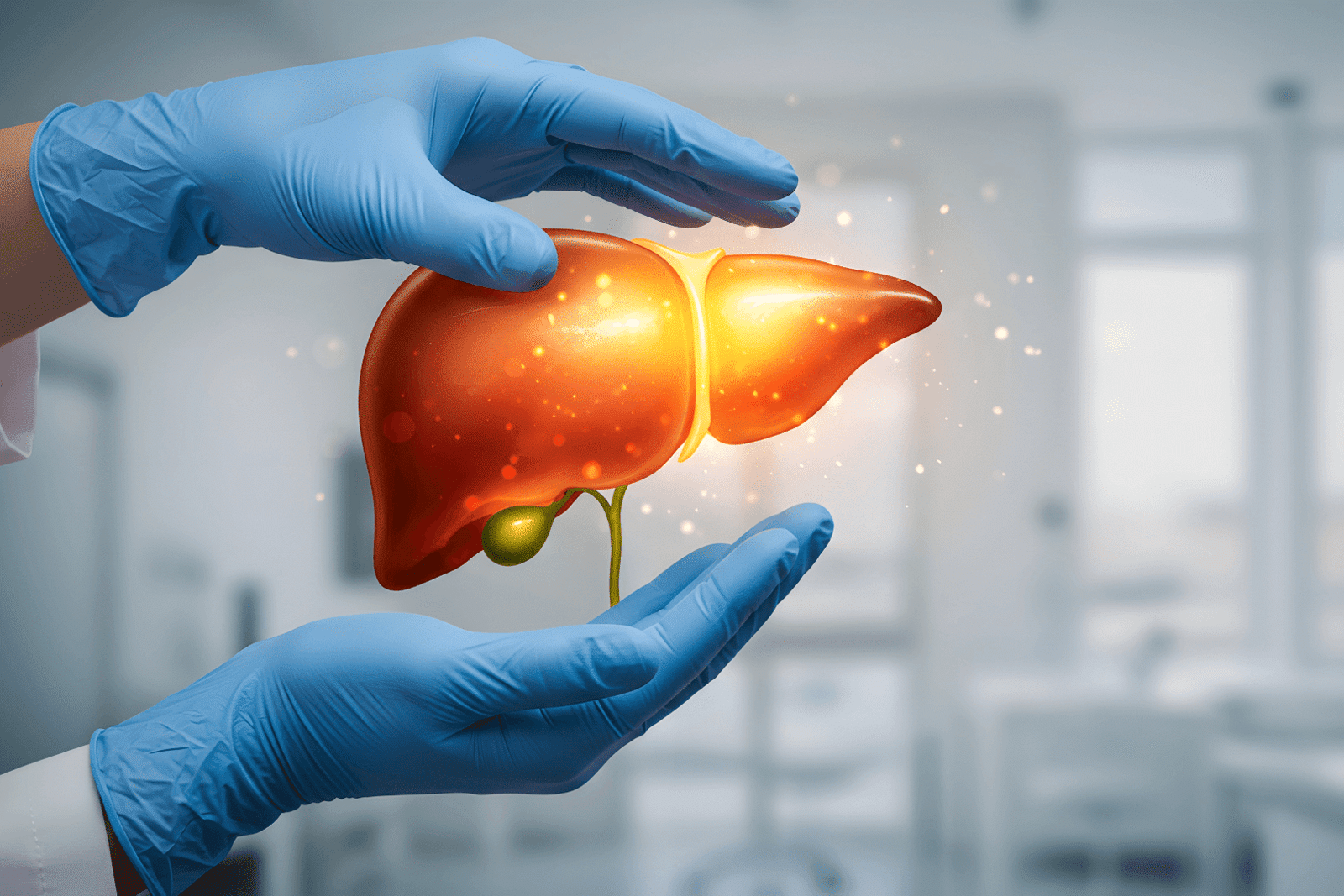
Metabolic Associated Fatty Liver Disease — now known as MAFLD — has become one of the most
common chronic liver conditions worldwide.
Current research suggests that around 25–30% of people globally may be affected.
Among those living with type 2 diabetes, the number is even higher, with more than half showing
signs of fatty liver — often without any obvious symptoms.
What drives fatty liver in today’s world
Fatty liver is no longer only associated with alcohol.
In today’s metabolic landscape, excess sugar and refined carbohydrates have become some of the
most significant drivers of fat accumulation in the liver.
The liver is the primary organ responsible for processing fructose. When intake becomes consistently
high — particularly from sweetened drinks, syrups, and ultra-processed foods — the liver converts
much of that excess into fat through a process known as de novo lipogenesis.
At the same time, diets high in refined carbohydrates can worsen insulin resistance. Frequent spikes
in insulin encourage the body to store more fat, and some of that fat is deposited directly in the
liver.
Why fatty liver often goes unnoticed
Fatty liver often develops quietly.
In the early stages, many people feel completely unaware that anything is happening. Yet, the body
may still be sending subtle signals.
- Persistent fatigue that doesn’t quite lift.
- Brain fog that makes concentration harder than it should be.
- A sense of heaviness or discomfort on the right side of the abdomen.
- Digestive changes that are easy to dismiss.
Sometimes the earliest clues appear in routine blood work — mildly elevated liver enzymes such as
ALT or AST — or in metabolic markers like high triglycerides, rising insulin levels, or changes in
HbA1c.
The body rarely speaks loudly at first.
It tends to whisper.
How the liver responds when given the right support
The encouraging part is that the liver is remarkably responsive.
When the body begins to receive the support it needs, things can shift — often more gently than
expected. Certain nutrients have been consistently studied for their supportive role in liver health.
Omega-3 fatty acids, found in foods such as wild salmon, sardines, flaxseeds, and chia seeds, have
been shown to support healthier fat metabolism, improve insulin sensitivity, and reduce
inflammation.
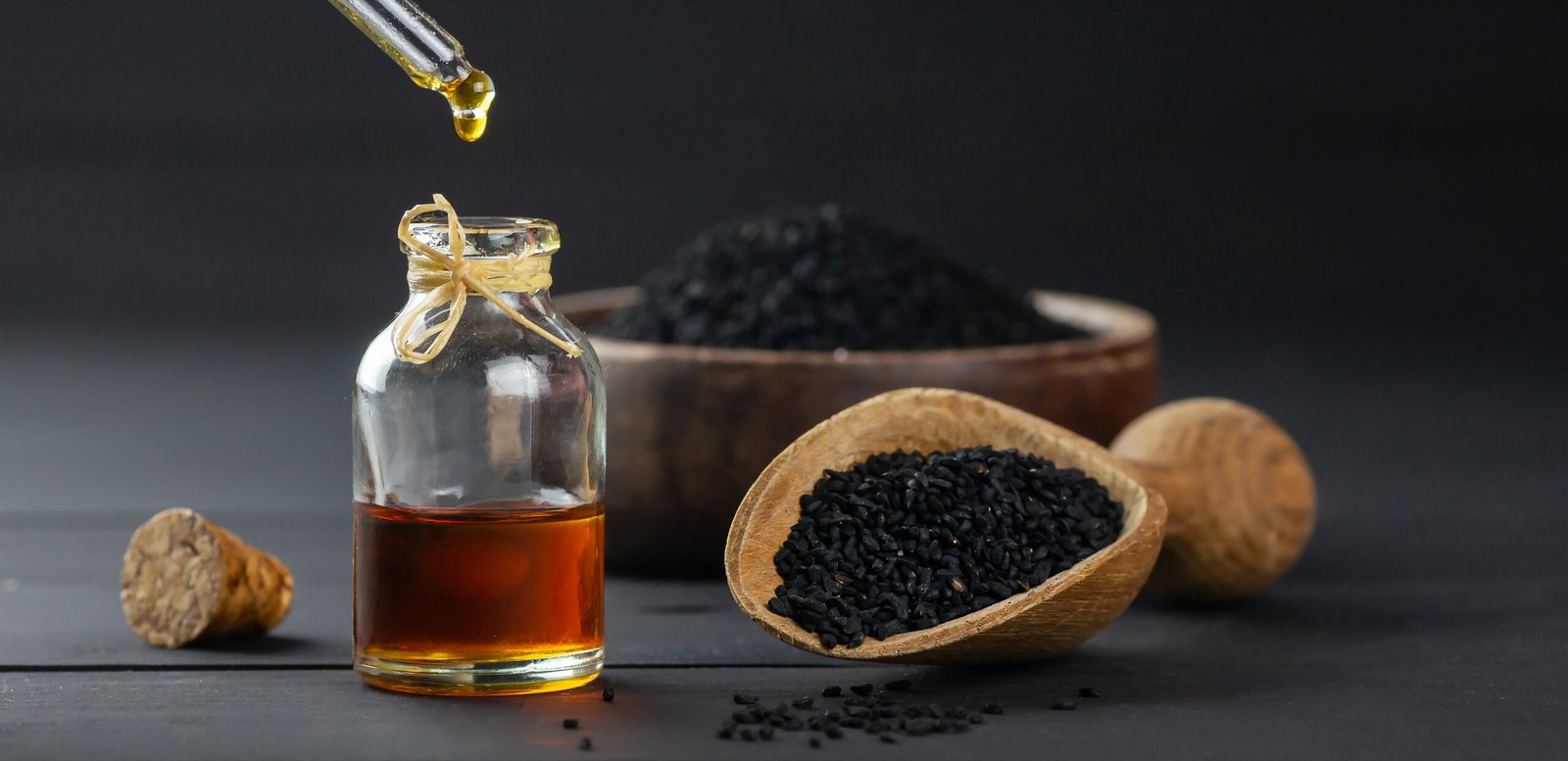
Black seed (Nigella sativa) has also drawn increasing attention for its protective effects on liver cells,
with research suggesting benefits for fat accumulation and insulin resistance.
Choline plays a key role in transporting fat out of liver cells. When intake is low, fat can begin to
accumulate more easily.
Foods rich in choline include egg yolks, broccoli, cauliflower, and Brussels sprouts.
Cruciferous vegetables — such as broccoli, cabbage, kale, and Brussels sprouts — contain
compounds that support detoxification pathways and antioxidant production, helping to reduce
metabolic stress.
For some individuals, methylated B-vitamins — particularly folate and B12 — may offer additional
support.
Genetic variations such as MTHFR can influence how efficiently synthetic forms like folic acid are
converted into their active state. Using methylated forms may better support pathways involved in
fat metabolism and detoxification.
A body that can recover when it feels supported
This is not about alarm.
It is not about blame. It is about understanding the quiet ways modern food patterns can influence
liver health — often long before anything feels obviously wrong.
When the right support is in place, the body has an incredible ability to rebalance itself — often
more quickly than we expect.
Your body is always communicating with you. Sometimes softly. Sometimes slowly. But always with
the intention of keeping you safe.
The question is not whether your body is working against you.
It is whether it has what it needs to work for you.